Artificial Intelligence Revolutionizes Crypto Security: A New Era for Investors
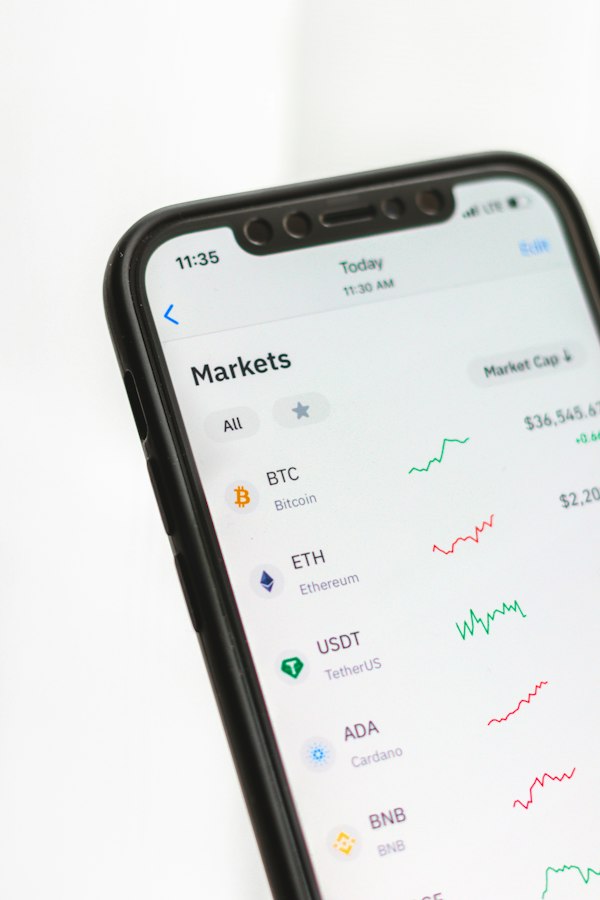
Artificial Intelligence (AI) is transforming the landscape of cryptocurrency security, making it cheaper, faster, and increasingly essential for investors. As Indian regulatory bodies like the RBI and SEBI take a closer look at this intersection, investors should be aware of the emerging opportunities and risks.
# Background/Context: The Crypto Landscape in India
Cryptocurrency has become a significant aspect of global finance, and India is no exception. Thanks to platforms like WazirX, CoinDCX, and others, trading in digital currencies has skyrocketed in the country. The Reserve Bank of India (RBI) has had a complicated relationship with cryptocurrencies, oscillating between outright bans and regulatory discussions. Meanwhile, the Securities and Exchange Board of India (SEBI) has been closely monitoring the growing interest among retail investors, particularly in the context of Initial Coin Offerings (ICOs) and other tokenized assets. With the Indian markets embracing digital assets, the focus on security becomes paramount, especially as the crypto space has been plagued with hacks and frauds.
Enter Artificial Intelligence (AI), a technology that is increasingly being utilized to bolster security measures in the crypto world. From fraud detection to risk analysis, AI is enabling a more robust framework for safeguarding assets. As we delve deeper into this transformative development, let’s explore what has transpired recently.
# What Happened: AI Meets Crypto Security
Recent reports indicate that AI-driven solutions are significantly lowering the cost and increasing the efficiency of crypto security measures. Companies involved in blockchain technology are now utilizing machine learning algorithms to detect anomalies in transaction patterns, making it faster to identify potential security threats.
According to a study by Chainalysis, nearly $3.2 billion was lost to crypto scams in 2022 alone, highlighting the urgent need for improved security measures. AI technologies are stepping in to address these vulnerabilities, with firms using predictive analytics to foresee attacks before they occur. This shift is not just a technical upgrade; it represents a paradigm change in how investors can interact with the market. The market is shifting towards solutions that not only promise security but also adapt to evolving threats in real time.
# Market Reaction: A Mixed Bag
The reaction from investors and the broader market has been varied. On one hand, cryptocurrencies like Bitcoin and Ethereum have experienced increased volatility, with Bitcoin recently trading around ₹4.5 million (approximately $54,000) and Ethereum at ₹320,000 (around $3,900). This volatility often drives fears around security, making the introduction of AI solutions timely. On the other hand, traditional markets, including the BSE and NSE, have seen a cautious response, as investors weigh the benefits of these technologies against regulatory uncertainties.
The Nifty 50 index is closely tracking the performance of tech-driven stocks, many of which have begun to invest in AI and blockchain technologies. As a result, stocks like Infosys and TCS have seen a moderate uptick, reinforcing the notion that tech companies may play a critical role in the future of crypto security.
# Implications for Indian Investors
For Indian investors, the implications of AI-enhanced crypto security are numerous. With the RBI and SEBI looking to create a regulatory framework for digital assets, the integration of AI technologies could pave the way for a safer investment environment. This is particularly important for retail investors who may not have the resources to conduct extensive due diligence on their own.
The potential for AI to provide real-time insights means that investors could make more informed decisions. Market analysts predict that as these technologies mature, we could see a significant influx of institutional investment into cryptocurrencies, further legitimizing the asset class. Moreover, mutual funds and Systematic Investment Plans (SIPs) may start offering crypto-themed products, creating more avenues for investors to participate in this burgeoning market.
# What to Watch Next: The Road Ahead
As we look ahead, several factors will continue to shape the crypto landscape in India. The RBI's stance on cryptocurrency regulation will be a critical factor, especially as the central bank explores its own digital currency. Furthermore, the performance of AI technologies in real-world applications will influence investor confidence. Watch for partnerships between tech firms and cryptocurrency exchanges, as these alliances could lead to innovative security solutions.
Additionally, keep an eye on upcoming regulatory announcements from SEBI. The commission's guidelines on mutual fund investments in cryptocurrencies could be a game changer. Reports suggest that discussions are ongoing, and clarity could come sooner rather than later.
# What Should You Do? 1. **Stay Informed**: Follow updates from the RBI and SEBI regarding cryptocurrency regulations. Understanding these changes will help you navigate the market more effectively. 2. **Consider AI-Driven Platforms**: Look for exchanges and wallets that utilize AI technologies for enhanced security. Prioritize platforms that offer insurance against hacks and fraud. 3. **Diversify Your Investments**: Don’t put all your eggs in one basket. Consider a mix of traditional investments and crypto assets to mitigate risk. 4. **Engage with Experts**: If you're new to crypto investing, consider consulting with financial advisors who specialize in this area. They can help you understand the risks and rewards involved.
As AI technologies continue to redefine the crypto security landscape, investors in India stand at the cusp of a new era. Embracing these changes while staying informed will be your best strategy for navigating this exciting, albeit volatile, market.
Disclaimer: This article is for informational purposes only and does not constitute financial advice. Please consult a fee-only CFP or SEC-registered investment advisor before making investment decisions.


