A Year After the 10/10 Flash Crash: What US Investors Need to Know About the Indian Crypto Market's Recovery
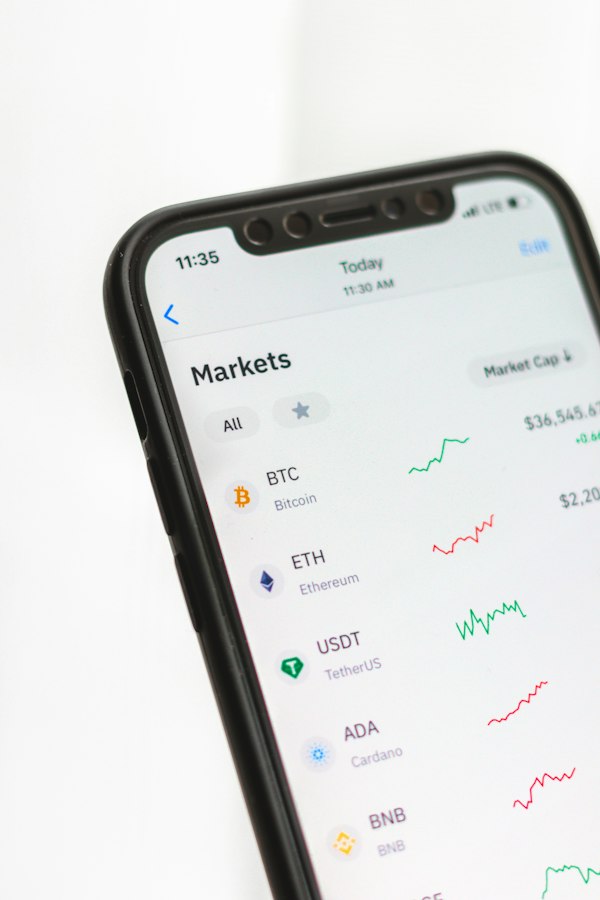
One year post the infamous 10/10 flash crash, Bitcoin and Ethereum have clawed back their liquidity, but altcoins remain precarious. As Indian regulations evolve, US investors should stay informed about the implications for their portfolios.
# Background/Context In October 2022, the cryptocurrency market experienced a jarring flash crash, colloquially known as the 10/10 crash, leading to substantial liquidity losses in Bitcoin and Ethereum. This sudden plunge rattled investors globally, including those in India, where the crypto scene has been vibrant yet volatile. The Reserve Bank of India (RBI) has consistently maintained a cautious stance on cryptocurrencies, while the Securities and Exchange Board of India (SEBI) has been mulling over regulatory frameworks to bring this burgeoning asset class under its purview.
As US investors look to diversify their portfolios, understanding the Indian crypto landscape is crucial. With the market slowly stabilizing and regulatory clarity emerging, now is the time to examine how the situation has unfolded over the past year and what it means for investors on both sides of the globe.
# What Happened Fast forward to October 2023, Bitcoin and Ethereum have seen a rebound in liquidity. According to data from CoinMarketCap, Bitcoin’s price has surged back to approximately ₹5,500,000 ($66,000), while Ethereum has reached around ₹400,000 ($4,800), showcasing a revival in investor confidence. This recovery can be attributed to several factors, including the increasing adoption of cryptocurrencies among retail investors and institutional interest in India.
However, altcoins are still facing headwinds. While major cryptocurrencies have regained footing, smaller altcoins have not experienced the same revival and continue to operate under a cloud of uncertainty. The market capitalization of altcoins has remained stagnant, with many struggling to find liquidity as investors remain cautious. Experts like Nischal Shetty, CEO of WazirX, one of India’s largest cryptocurrency exchanges, have noted that while Bitcoin and Ethereum are showing resilience, altcoins are still vulnerable to market whims and regulatory actions.
# Market Reaction The recovery of Bitcoin and Ethereum has sparked a positive sentiment in the Indian markets, with many investors opting to enter or increase their positions in these leading cryptocurrencies. The Nifty 50 index, meanwhile, has shown a correlation with crypto trends, indicating that investor sentiment in equities may also be influenced by crypto developments. Recent trading volumes on the National Stock Exchange (NSE) and Bombay Stock Exchange (BSE) reflect a sense of optimism, as retail investors have begun to diversify their portfolios, considering options like systematic investment plans (SIPs) in mutual funds and exploring crypto investments.
Despite this positivity, the Indian government’s approach toward cryptocurrencies remains a double-edged sword. The RBI is still cautious, and while there have been talks of creating a central bank digital currency (CBDC), regulatory clarity is still a work in progress. This has led to mixed reactions among investors, as they remain unsure of the legal ramifications of their investments.
# Implications for Indian Investors So, what does this mean for Indian investors, particularly those who also have exposure to US markets? The resurgence of Bitcoin and Ethereum presents an opportunity for those looking to invest in digital assets. However, the lingering risks associated with altcoins should not be discounted. Investors need to remain vigilant and do their due diligence before diving into altcoin investments. The high volatility associated with these assets can lead to significant losses if not approached cautiously.
Moreover, as US investors watch the Indian crypto market closely, they should be aware of the potential for increased investment flows into Indian tech and finance sectors, which may benefit from the crypto boom. Firms involved in blockchain technology and cryptocurrency exchanges could see a surge in valuations, making them attractive investment options.
# What to Watch Next Looking ahead, several key developments could shape the crypto landscape in India and beyond. First, watch for regulatory announcements from the RBI and SEBI. These could either bolster investor confidence or introduce new hurdles to navigate. Second, keep an eye on how institutional investment trends evolve, especially with major players entering the Indian market. Lastly, monitor liquidity levels in altcoins, as any signs of sustained recovery or further decline will significantly influence investor sentiment.
# What Should You Do? 1. **Diversify Wisely:** If you're considering entering the Indian crypto market, focus on established assets like Bitcoin and Ethereum while being cautious with altcoins. The potential for returns is substantial, but so are the risks. 2. **Stay Informed:** Keep an eye on regulatory updates from the RBI and SEBI, as these can impact your investments directly. Subscribe to reputable financial news sources and stay updated on market trends. 3. **Consult Financial Advisors:** Before making significant investments in cryptocurrencies, consult financial advisors familiar with both US and Indian markets. They can provide tailored advice based on your financial goals and risk tolerance. 4. **Consider Long-term Investments:** Given the volatility of cryptocurrencies, consider a long-term perspective. Systematic Investment Plans (SIPs) in mutual funds may also be a safer way to gain exposure to the growing Indian tech sector without the direct risks associated with cryptocurrencies.
By keeping these insights in mind, US investors can navigate the complexities of the Indian crypto market with greater confidence and insight, potentially positioning themselves to capitalize on future growth opportunities.
Disclaimer: This article is for informational purposes only and does not constitute financial advice. Please consult a fee-only CFP or SEC-registered investment advisor before making investment decisions.


