A New Era of Cybercrime: How Indian Investors Should Prepare for the Next Wave of Crypto Hacks
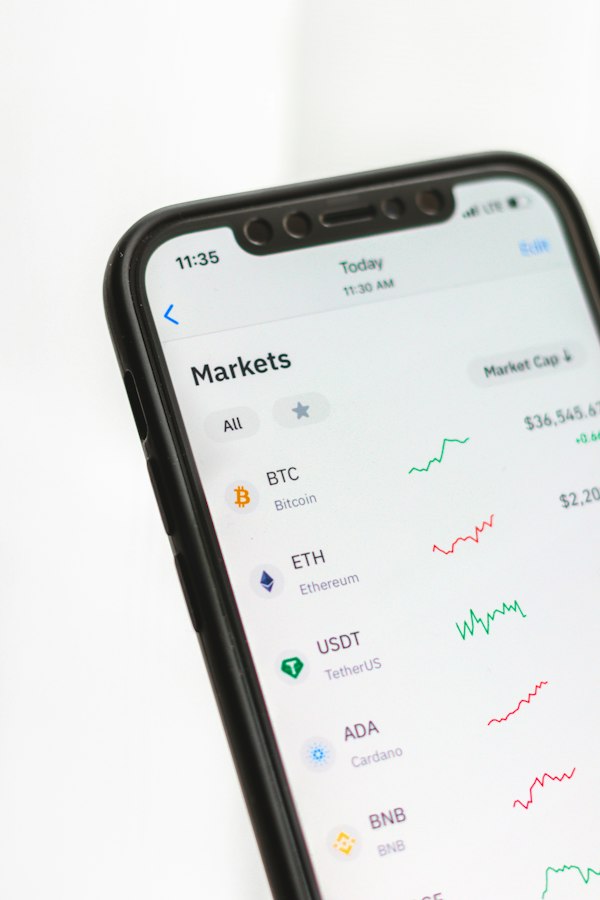
The crypto world is on high alert as reports suggest that hackers are evolving, with potential implications for investors globally. As India embraces cryptocurrency, understanding these threats is crucial for safeguarding investments and navigating the evolving landscape.
# Background/Context: The Rising Tide of Cryptocurrency in India
Cryptocurrency has rapidly gained popularity in India, with the Reserve Bank of India (RBI) cautiously navigating its introduction while regulatory bodies like the Securities and Exchange Board of India (SEBI) grapple with oversight. The Indian crypto market has exploded, with platforms like WazirX and CoinSwitch Kuber facilitating millions of transactions daily. As of October 2023, the Indian cryptocurrency market is valued at approximately ₹6 trillion, reflecting a growing interest among investors, particularly millennials and Gen Z, who are drawn to the potential for high returns.
However, with increased adoption comes heightened risk. Cybersecurity incidents in the crypto space have surged, prompting investors to stay vigilant. Reports indicate that cybercriminals are honing their skills, with some experts predicting that the next wave of attacks could be carried out at unprecedented speeds, making it essential for investors to be proactive in protecting their assets.
# What Happened: Evolving Threats in the Crypto Sphere
A recent study by cybersecurity firm Chainalysis highlighted alarming trends: crypto hacks in 2023 have already surpassed $1 billion in losses globally. This surge is attributed to increasingly sophisticated attackers who can execute complex strategies in mere seconds. The report detailed methods such as exploiting vulnerabilities in smart contracts and utilizing automated bots to manipulate market conditions.
India's crypto exchanges have not been immune to these attacks. For instance, in early 2023, a prominent exchange lost over ₹500 crores worth of assets due to a breach. As these incidents become more frequent and severe, investors must understand how to navigate the potential fallout and protect their investments.
# Market Reaction: Investors on Edge
The reaction from the Indian market has been mixed. While the overall cryptocurrency market capitalization has remained resilient, hovering around $2 trillion globally, Indian investors have shown signs of caution. The Nifty 50, which reflects the performance of the top 50 companies listed on the National Stock Exchange (NSE), saw a marginal dip in technology stocks, often closely tied to fintech and crypto sectors, indicating that investor sentiment is shifting.
Additionally, the Indian rupee (₹) has experienced volatility against the US dollar due to fluctuating global sentiments and potential shifts in crypto regulation. The RBI's recent warning about the risks associated with cryptocurrency investments further fueled market unease.
# Implications for Indian Investors: Navigating a New Landscape
For Indian investors, the implications of these developments are significant. With the RBI and SEBI intensifying their scrutiny of cryptocurrency, it is crucial to approach these investments with caution. Regulatory clarity could provide a safer environment for investors, but the risks associated with hacking and cyber theft remain a constant threat.
Investors should consider diversifying their portfolios beyond cryptocurrencies. Exploring traditional investment avenues such as mutual funds, Fixed Deposits (FDs), and Systematic Investment Plans (SIPs) can provide stability amidst the crypto turbulence. According to a report from the Association of Mutual Funds in India (AMFI), the mutual fund industry saw ₹1.2 trillion in new inflows in the last fiscal year, as investors sought safer, more regulated investment channels.
# What to Watch Next: The Road Ahead
Looking ahead, several factors will shape the future of cryptocurrency in India. Regulatory developments will be paramount; the government has indicated a willingness to regulate cryptocurrencies, which could provide the necessary framework for safer investment. Additionally, technological advancements in cybersecurity will play a critical role in safeguarding these digital assets.
Investors should also keep an eye on industry trends, such as the integration of cryptocurrencies with traditional financial systems and the growing interest from institutional investors in India. The introduction of Bitcoin ETFs (Exchange-Traded Funds) in developed markets could also influence Indian investor sentiment as they seek exposure to cryptocurrencies in a more regulated environment.
# What Should You Do? - **Stay Informed:** Regularly read up on the latest cybersecurity developments and regulatory changes concerning cryptocurrencies in India. Being informed is your best defense. - **Diversify Your Portfolio:** Don’t put all your eggs in one basket. Consider diversifying your investments across mutual funds, equities, and traditional assets to mitigate risks. - **Use Reputable Exchanges:** When investing in cryptocurrencies, stick to well-established exchanges with robust security measures. Check for insurance policies that protect your assets in case of breaches. - **Set Up Alerts:** Utilize software that tracks unusual activity in your accounts and set up alerts for any significant transactions to catch potential threats early.
As the landscape of cryptocurrency continues to evolve, Indian investors must remain vigilant and informed. The rise of cybercrime in the crypto space necessitates a proactive approach to investing, ensuring that opportunities do not come at the expense of security.
Disclaimer: This article is for informational purposes only and does not constitute financial advice. Please consult a fee-only CFP or SEC-registered investment advisor before making investment decisions.
More News

Navigating the AI Landscape: OpenAI's IPO Decision and Its Implications for Indian Investors
5 min read

Larry Ellison's Stock Sale Cancellation: Implications for Indian Markets and Investors
5 min read

Navigating the India-China Relationship: Modi’s Vision for Peace and Prosperity
5 min read