Why Every Blockchain Transaction is a Competitive Edge: Insights for US Investors
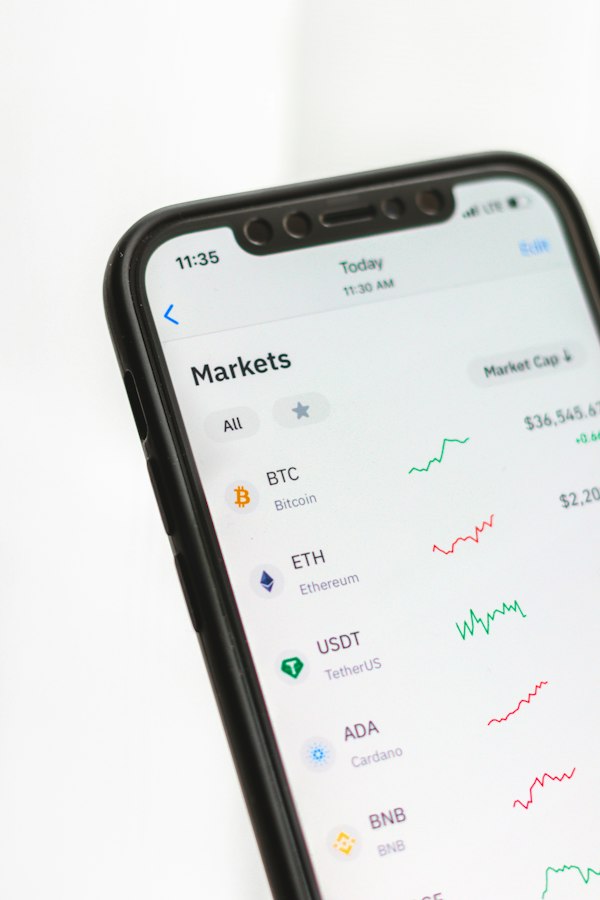
Blockchain's transparency can be a double-edged sword; every transaction is public and accessible, potentially benefiting competitors. Understanding this dynamic is crucial for US investors eyeing India's burgeoning blockchain and crypto markets.
# Background: The Blockchain Landscape in India
Blockchain technology has been making waves across the globe, and India is no exception. With the Reserve Bank of India (RBI) and the Securities and Exchange Board of India (SEBI) keeping a watchful eye, the Indian cryptocurrency market is slowly but steadily evolving. The RBI has shown a cautious optimism towards blockchain, hinting at the potential for a Central Bank Digital Currency (CBDC).
India's regulatory environment is unique; while the government has been hesitant to fully embrace cryptocurrencies, it acknowledges the transformative potential of the underlying blockchain technology. This presents both opportunities and challenges for investors. As the market grows, understanding the nuances of blockchain transactions becomes crucial for any investor, particularly those in the U.S. looking to tap into this emerging market.
# What Happened: The Transparency of Blockchain Transactions
A recent report from industry experts highlights that every transaction on a blockchain is recorded on a public ledger, making it accessible for anyone with an internet connection. Unlike traditional banking systems where transaction histories are private and safeguarded, blockchain's transparency can inadvertently provide insights into a company's operations and strategies.
This characteristic of blockchain can be a double-edged sword. On one hand, it fosters trust and accountability, which are vital for any financial ecosystem. On the other hand, it can provide competitors with valuable insights into market behavior, consumer preferences, and even pricing strategies, allowing them to adjust their own operations accordingly.
With cryptocurrencies like Bitcoin and Ethereum leading the charge, many businesses in India are exploring how to integrate blockchain into their operations. However, for investors, this raises critical questions about competition and strategy. If every transaction can be viewed by competitors, how does one maintain a competitive edge in a fast-evolving market?
# Market Reaction: A Mixed Bag of Optimism and Caution
Following the report, the Indian cryptocurrency market witnessed a wave of speculation. The Nifty 50 index, which represents the top 50 companies listed on the National Stock Exchange (NSE), saw minor fluctuations, closing down by 0.3% in a day marked by mixed trading activity.
Meanwhile, major cryptocurrencies like Bitcoin and Ethereum experienced a slight uptick, suggesting that investors are still keen on exploring blockchain technology despite concerns about competition. The Indian rupee (₹) also held its ground against the dollar, reflecting a stable outlook among investors, albeit with a watchful eye on global economic indicators.
Market analysts suggest that while blockchain presents exciting opportunities, it is crucial for investors to remain cautious. As the market matures, the implications of public visibility may lead to increased competition, driving companies to innovate continuously.
# Implications for Indian Investors: Navigating a Transparent Landscape
For Indian investors, especially those engaged in mutual funds or systematic investment plans (SIPs), understanding the implications of blockchain's transparency is imperative. SEBI has been actively promoting the adoption of new technologies in mutual funds, which could lead to a more tech-savvy investor base in India.
As companies navigate the challenges posed by transparent transactions, they may prioritize innovation and differentiation. This can lead to increased investment in research and development, which in turn could benefit investors looking for growth stocks in the technology sector.
Moreover, the advent of blockchain technology may encourage more diversified investment strategies. Investors might want to consider sectors that leverage blockchain for operational efficiencies, like supply chain management, banking, and fintech. This could lead to a broader assessment of risk and return, as traditional valuation metrics may not fully encapsulate the potential upside of tech-centric firms.
# What to Watch Next: Trends in Blockchain and Regulatory Developments
As the Indian blockchain landscape evolves, several trends may shape the future of investments. Firstly, keep an eye on the RBI's stance on the potential rollout of a CBDC, as this could significantly impact the cryptocurrency market and the way transactions are conducted. A CBDC might provide the benefits of blockchain's transparency without the competitive drawbacks.
Secondly, watch for how Indian firms adapt their strategies in light of competitive transparency. Companies that effectively leverage blockchain technology for operational efficiencies while shielding sensitive data will likely emerge as market leaders.
Finally, investors should monitor global regulatory trends regarding cryptocurrencies. As countries like the U.S. and those in the European Union refine their regulatory frameworks, these developments could impact global investor sentiment towards Indian markets.
# What Should You Do? 1. **Diversify Your Investments**: Consider broadening your portfolio to include blockchain-related companies in sectors such as fintech, supply chain, and health tech. 2. **Stay Informed on Regulatory Changes**: Regularly check updates from the RBI and SEBI regarding cryptocurrency regulations and CBDC developments to adjust your investment strategies accordingly. 3. **Focus on Innovation**: Invest in firms that demonstrate a commitment to innovation and can adapt to the changing competitive landscape, especially those utilizing blockchain technology effectively. 4. **Leverage Mutual Funds**: Explore mutual funds that specifically invest in technology-oriented companies to gain exposure to the potential growth in the blockchain space without the risks of direct cryptocurrency investments.
By keeping a close watch on these dynamics, U.S. investors can navigate the complexities of the Indian blockchain market, turning challenges into opportunities as this revolutionary technology continues to reshape the financial landscape.
Disclaimer: This article is for informational purposes only and does not constitute financial advice. Please consult a fee-only CFP or SEC-registered investment advisor before making investment decisions.


