U.S. Senators Step Back from Prediction Markets: Implications for Indian Investors
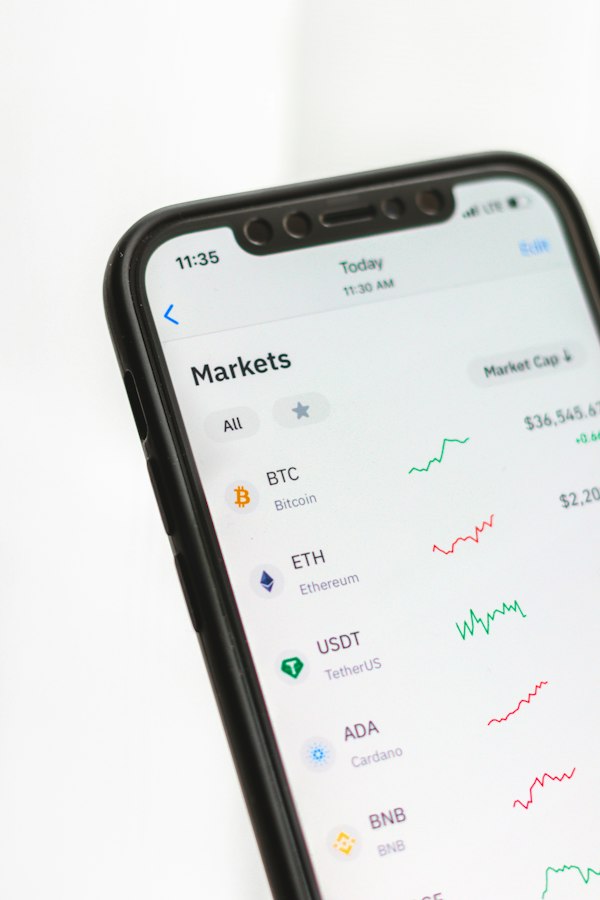
U.S. senators have decided against participating in prediction markets, raising questions about regulatory clarity in the crypto space. For Indian investors, this development could signal a cautious approach to digital assets and the need for enhanced local regulations.
# Background Context: The Growing Interest in Prediction Markets
Prediction markets have been gaining traction as innovative platforms that allow participants to bet on the outcomes of future events. These markets, often associated with cryptocurrency, have attracted attention from both retail and institutional investors worldwide, including in India. In the U.S., they have emerged amidst a broader conversation on regulatory clarity in the digital asset space.
In India, the Reserve Bank of India (RBI) and the Securities and Exchange Board of India (SEBI) have been cautious about cryptocurrencies, focusing on protecting investors while also fostering innovation. The RBI has even hinted at a Central Bank Digital Currency (CBDC), which shows their interest in digital finance, albeit under strict controls. As U.S. senators distance themselves from prediction markets, it raises questions about the future of such platforms in other jurisdictions, including India.
# What Happened: U.S. Senators Take a Step Back
Recently, U.S. senators announced they will not be participating in prediction market bets, citing ethical concerns and potential conflicts of interest. This decision comes amid growing scrutiny of how lawmakers engage with financial markets while formulating regulations. Notably, this move comes just after the Senate’s hearing on digital assets, where the need for clearer guidelines was a focal point.
Lawmakers are wrestling with the implications of prediction markets, which can offer unique insights into public sentiment and trends. However, the potential for misuse—especially by those in power—has raised alarms. The decision reflects a cautious approach that prioritizes ethical standards over participation in what some may view as speculative bets.
# Market Reaction: An Uncertain Landscape
The immediate impact of this decision on U.S. markets was palpable, with shares of companies involved in prediction markets experiencing volatility. However, the broader implications are likely to resonate more significantly in the Indian context, especially among investors who are increasingly looking towards digital assets for diversification.
On the Indian exchanges, the Nifty 50 index and BSE Sensex remained relatively stable, demonstrating resilience to global developments. However, sectors heavily invested in tech and digital finance, such as fintech startups and cryptocurrency exchanges, are closely watching the regulatory landscape. With the Indian rupee (₹) also under pressure due to inflation and global economic uncertainty, any negative sentiment from the U.S. could exacerbate local market challenges.
# Implications for Indian Investors: Navigating Uncertainty
For Indian investors, this development provides a dual lens—one of caution and one of opportunity. On one hand, the withdrawal of U.S. senators from prediction markets could signal to Indian regulators a need for stringent oversight in the crypto space. This could further delay the establishment of a clear framework for cryptocurrencies and related products in India, leaving investors in a state of limbo.
On the other hand, for those looking to invest in mutual funds or Fixed Deposits (FDs) as a safer alternative, this could be a chance to reassess their portfolios. With interest rates being adjusted by the RBI and inflation impacting returns, it’s essential to remain vigilant about where to allocate funds. SIPs (Systematic Investment Plans) in mutual funds continue to be a popular choice, especially for long-term investors who can ride out volatility.
# What to Watch Next: Regulatory Developments and Market Trends
The coming months will be crucial for both U.S. and Indian investors. Watch for the following: 1. **Regulatory Actions**: How will the RBI and SEBI respond to the U.S. senators' decision? Any movements towards clearer regulations on digital assets can significantly impact market sentiment in India. 2. **Market Sentiment**: Keep an eye on how global markets respond to this news and its potential ripple effects on Indian equities. Investor sentiment typically mirrors global trends, and shifts in the U.S. can lead to changes on Indian exchanges. 3. **Investment Shifts**: As uncertainty reigns in the crypto space, be aware of potential shifts towards traditional investment vehicles like FDs or diversified mutual funds. 4. **Technological Innovations**: Despite regulatory hurdles, innovation in the fintech space continues unabated. New financial products and services may emerge, offering opportunities for nimble investors.
# What Should You Do? 1. **Stay Informed**: Regularly review updates from the RBI and SEBI regarding crypto regulations. Understanding the legal landscape is crucial for making informed investment decisions. 2. **Diversify Investments**: Consider diversifying your portfolio across multiple asset classes—equities, bonds, and FDs—to balance risk and reward. 3. **Reassess Risk Tolerance**: Given the recent developments, assess your risk tolerance and consider whether your current investment strategy aligns with your financial goals. 4. **Utilize SIPs**: If you’re looking for a disciplined approach to investing in mutual funds, consider starting or increasing your SIP investments, especially in diversified funds that can weather market volatility.
Navigating the evolving landscape of investments in India requires both awareness and adaptability. Keep your finger on the pulse of market developments and regulatory changes to make the most informed decisions for your financial future.
Disclaimer: This article is for informational purposes only and does not constitute financial advice. Please consult a fee-only CFP or SEC-registered investment advisor before making investment decisions.


