Navigating the Fog: The State of Crypto Regulation in India
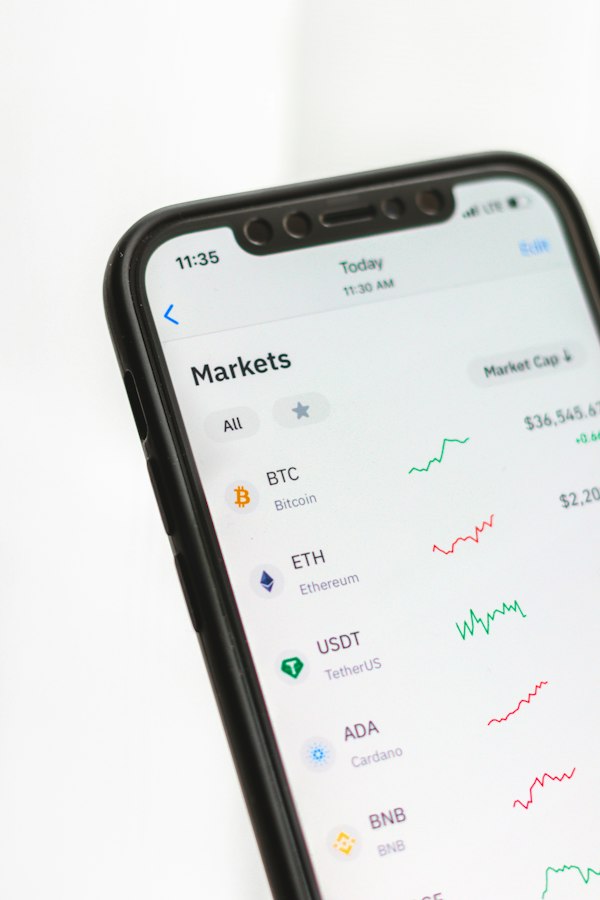
As the Indian government moves towards clearer cryptocurrency regulations, investors face both uncertainty and opportunity. With the RBI and SEBI gearing up to take a more active role, it’s essential for US investors to understand the implications for the Indian market.
# Background/Context Cryptocurrency is no longer just a buzzword; it's a significant part of the global financial ecosystem. In India, the narrative around digital assets has been tumultuous, oscillating between innovation and regulation. The Reserve Bank of India (RBI) and the Securities and Exchange Board of India (SEBI) have been at the forefront, grappling with how to integrate these digital currencies into the existing financial framework. In 2020, the Supreme Court of India overturned the RBI's ban on cryptocurrencies, breathing new life into the market. Since then, Indian exchanges like WazirX and CoinDCX have exploded in popularity, with millions of users trading Bitcoin, Ethereum, and other altcoins.
Yet, despite the potential, the lack of a clear regulatory framework has put a damper on both institutional and retail investor confidence. Regulatory clarity is a pressing need as the Indian market watches global counterparts like the U.S. and EU craft policies that either foster or hinder innovation.
# What Happened Recently, the Indian government has signaled its intention to clarify the legal status of cryptocurrencies. This comes as a part of broader financial reforms aimed at ensuring consumer protection while fostering technological innovation. Finance Minister Nirmala Sitharaman has emphasized the need for a balanced approach, one that acknowledges the potential of blockchain technology while safeguarding the economy from the risks associated with digital currencies.
The proposed regulations are expected to cover several aspects, including taxation, anti-money laundering measures, and the establishment of a regulatory body specifically for cryptocurrencies. The RBI has indicated that it would be issuing guidelines soon, which could include categorizing cryptocurrencies as assets or currencies. This distinction is crucial as it will determine how these digital assets are treated under Indian financial law.
# Market Reaction The announcement has had a mixed reaction from market participants. The Nifty and Sensex have remained relatively stable, showing resilience amidst uncertainties. However, the crypto markets have seen increased activity with Bitcoin briefly touching ₹45 lakh and Ethereum around ₹3.5 lakh as traders reacted to the news.
Experts like Ashish Singhal, CEO of CoinSwitch Kuber, have expressed optimism, stating that clearer regulations could lead to greater institutional investment. "Once rules are laid out, it will pave the way for more retail investors to enter the market, increasing liquidity and market maturity," he explained. Conversely, others have cautioned that overly stringent regulations could stifle innovation and push investors towards less-regulated international markets.
# Implications for Indian Investors For Indian investors, this evolving regulatory landscape presents both challenges and opportunities. On the one hand, clearer regulations could enhance the legitimacy of cryptocurrencies, making them more appealing to a broader audience. On the other hand, there’s a risk that excessive regulation could deter investment, especially from foreign players looking to tap into India’s growing digital asset market.
Additionally, Indian investors must also consider the tax implications. The government has indicated that any gains from cryptocurrency trading could be subject to capital gains tax, which could affect investment strategies. With the current tax structure for equity investments being relatively more favorable, many investors might reconsider their allocation towards crypto.
Moreover, the RBI’s stance on a Central Bank Digital Currency (CBDC) adds another layer of complexity. A digital rupee could compete directly with cryptocurrencies, shifting the investor landscape significantly. According to a report by the Boston Consulting Group, the potential for cryptocurrencies to capture market share from traditional investments could rise to 10% by 2030, underscoring the need for investors to stay informed.
# What to Watch Next As developments unfold, US investors with an eye on the Indian market should keep a close watch on the following: 1. **Regulatory Updates**: Any announcements from the RBI or SEBI regarding cryptocurrency regulations will be crucial. Investors should monitor news closely as it could impact market dynamics significantly. 2. **Taxation Policies**: Understanding the tax implications of crypto investments in India will be essential for strategic planning. Keep an eye on any proposed bills or discussions in Parliament. 3. **Market Trends**: Watch out for trends in trading volumes and prices for cryptocurrencies on Indian exchanges. A surge in activity could indicate heightened investor interest and confidence. 4. **Institutional Participation**: Look for signs of institutional investment in the Indian crypto market. Increased participation from institutions could lend further legitimacy to the asset class.
# What Should You Do? 1. **Stay Informed**: Regularly check updates from the RBI and SEBI regarding cryptocurrency regulations. Understanding these changes can help you make informed investment decisions. 2. **Diversify Your Portfolio**: Consider diversifying your investment portfolio to include a mix of traditional assets and cryptocurrencies, keeping in mind your risk tolerance. 3. **Consult Financial Advisors**: Engage with financial advisors familiar with both Indian and US markets to navigate the complexities of investing in cryptocurrencies. 4. **Monitor Global Trends**: Pay attention to global regulatory trends and their potential impact on the Indian market. The interconnectedness of global finance means that policies in one region can affect markets elsewhere.
The evolving landscape of cryptocurrency in India promises to be a pivotal moment for investors. As clarity emerges, those who adapt quickly stand to benefit significantly from this burgeoning market.
Disclaimer: This article is for informational purposes only and does not constitute financial advice. Please consult a fee-only CFP or SEC-registered investment advisor before making investment decisions.


