Institutional Demand: The Catalyst Driving Bitcoin's Market Cap to $16 Trillion by 2030
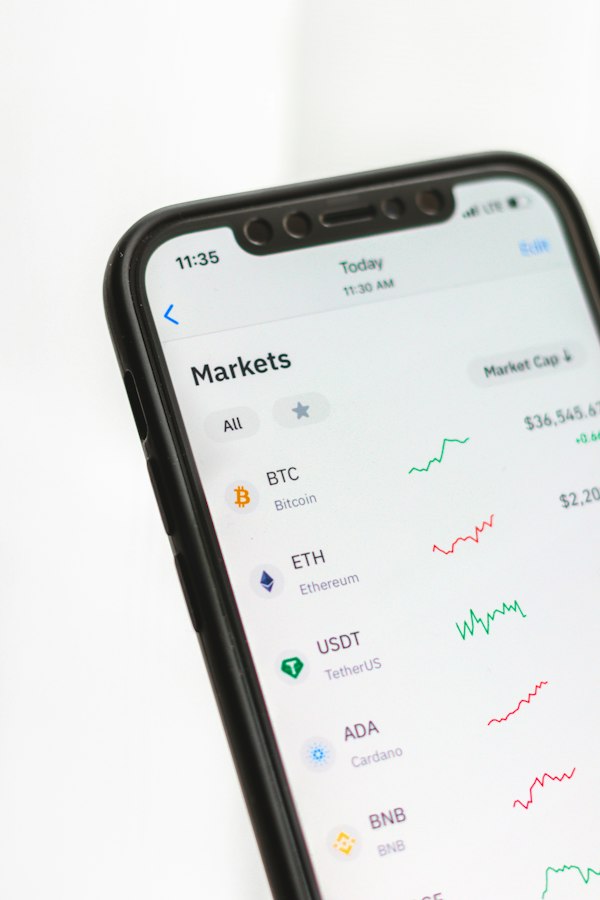
Ark Invest's bold prediction of Bitcoin reaching a staggering $16 trillion market cap by 2030 highlights the growing institutional interest in cryptocurrencies. With major players like the RBI and SEBI beginning to adapt to this digital shift, Indian investors have much to consider as the landscape evolves.
# Background/Context: The Rise of Cryptocurrencies
Cryptocurrencies have transformed the financial landscape over the past decade, evolving from niche digital assets to significant players in global markets. Bitcoin, often dubbed the ‘digital gold’, has emerged as a focal point for institutional investors, particularly in light of rising inflation and economic uncertainties. In India, the Reserve Bank of India (RBI) and the Securities and Exchange Board of India (SEBI) are grappling with how to regulate this dynamic market, especially as the country’s financial ecosystem shows signs of adapting to the digital currency revolution.
Recent reports from Ark Invest, a prominent investment management firm, forecast that Bitcoin’s market capitalization could skyrocket to an astonishing $16 trillion by 2030. This prediction is not just a reflection of Bitcoin's potential growth but also emphasizes the increasing institutional interest and acceptance of cryptocurrencies as viable investment vehicles.
# What Happened: Ark Invest's Bold Forecast
Ark Invest's analysis is grounded in the evolving market dynamics where institutional demand is becoming a primary driver for Bitcoin's value. According to their research, the growing number of institutional investors entering the crypto space could push Bitcoin’s price to over $1 million per coin as demand outstrips supply.
This bullish outlook is supported by recent trends indicating that companies are increasingly diversifying their portfolios to include Bitcoin. For instance, companies like MicroStrategy and Tesla have made significant investments in Bitcoin, while traditional asset managers are also exploring Bitcoin as a hedge against inflation and currency devaluation.
In India, the cryptocurrency market is witnessing a burgeoning interest among retail and institutional investors alike. Platforms such as WazirX and CoinDCX have reported substantial increases in trading volumes, indicating a shift in investor sentiment. Furthermore, the RBI's cautious yet evolving stance on cryptocurrencies suggests that greater regulatory clarity may be on the horizon, potentially encouraging more institutional participation.
# Market Reaction: A Ripple Through Indian Markets
The announcement of Ark Invest’s projection has stirred discussions not only in global markets but also within India’s investment community. The Nifty 50 index, which reflects the performance of the top 50 Indian stocks, exhibited volatility in response to the news. While cryptocurrencies do not directly influence the stock market, the psychological impact of such bullish forecasts often trickles down to traditional assets.
Moreover, the Indian rupee (₹) has remained relatively stable against the US dollar amid fluctuating global risk sentiments, which could further embolden investors to look beyond traditional assets and explore alternative investments, including cryptocurrencies. This growing trend of diversification is reflected in the popularity of Systematic Investment Plans (SIPs) in mutual funds, which have surged to ₹13,000 crore in monthly inflows in recent months, showcasing a wider acceptance of varied investment strategies among Indian investors.
# Implications for Indian Investors: Time to Consider Cryptocurrencies
For Indian investors, Ark Invest's prediction signifies a critical juncture. With potential regulatory changes on the horizon, the Indian government and financial regulators are likely to provide clearer guidelines that could foster a more structured investment environment for cryptocurrencies. This could lead to a broader acceptance of digital currencies within mainstream financial portfolios.
Experts like Nithin Kamath, CEO of Zerodha, have highlighted the importance of understanding the risks associated with cryptocurrencies. While the potential for high returns is alluring, the inherent volatility and regulatory uncertainties pose significant challenges. However, for those willing to navigate this landscape, the long-term potential appears promising.
Additionally, as institutional demand grows, the market could see a more stabilizing effect on cryptocurrency prices, potentially making it a more attractive investment option for risk-averse investors. The involvement of established financial institutions could also lead to the development of more sophisticated investment products around cryptocurrencies, such as ETFs and mutual funds that incorporate digital assets.
# What to Watch Next: Keeping an Eye on Regulatory Developments
As the cryptocurrency market continues to evolve, several key factors will be crucial for investors to monitor: 1. **Regulatory Clarity**: Keep an eye on announcements from the RBI and SEBI regarding cryptocurrency regulations. Any movement towards clearer guidelines could significantly influence market dynamics. 2. **Institutional Participation**: Watch for further investments from institutional players in India and globally. Their involvement often drives market sentiment and can lead to increased demand and stability in prices. 3. **Technological Developments**: Innovations in blockchain technology and the advent of new cryptocurrencies may also affect market dynamics. Investors should stay informed about the technological advancements and their implications. 4. **Market Sentiment**: Track global economic indicators and their impact on investor sentiment towards cryptocurrencies. Economic crises or inflationary pressures often lead to increased interest in Bitcoin and other digital currencies.
# What Should You Do? - **Educate Yourself**: Stay informed about cryptocurrencies and their underlying technology. Understanding the fundamentals will empower you to make informed investment decisions. - **Diversify Your Portfolio**: Consider allocating a small portion of your investment portfolio to cryptocurrencies, alongside traditional assets like stocks and mutual funds. - **Monitor Regulatory Changes**: Keep a close watch on any regulatory updates from the RBI and SEBI. Being proactive about potential changes can help you adapt your investment strategy accordingly. - **Consult Financial Advisors**: If you're considering investing in cryptocurrencies, consult with financial advisors who are well-versed in this space. They can provide tailored advice based on your risk appetite and financial goals.
As the cryptocurrency landscape continues to evolve, both challenges and opportunities await. By staying informed and adaptable, Indian investors can position themselves to take advantage of the digital revolution that lies ahead.
Disclaimer: This article is for informational purposes only and does not constitute financial advice. Please consult a fee-only CFP or SEC-registered investment advisor before making investment decisions.


