Canada's Crypto ATM Ban: Implications for Indian Investors in a Global Context
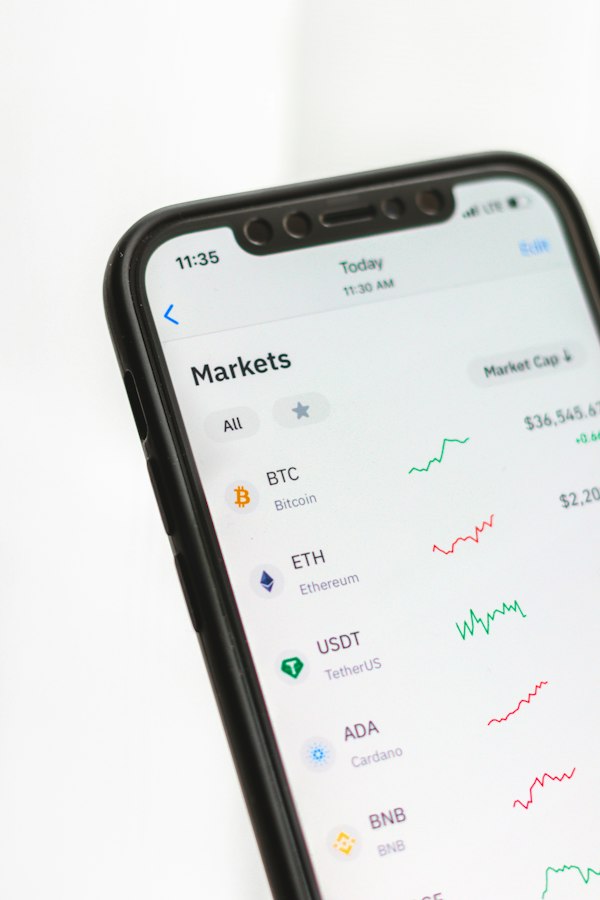
As Canada moves to ban crypto ATMs in response to rising fraud, Indian investors should brace for possible ripple effects in the domestic market. The decision underscores the challenges facing cryptocurrencies globally and highlights the need for regulatory clarity in India.
# Background/Context Cryptocurrencies have been a double-edged sword since their inception: lauded for their potential to revolutionize finance but also criticized for facilitating fraud and illegal activities. In recent years, Canada has seen a significant uptick in cryptocurrency-related fraud, prompting regulators to take action. The Canadian government has proposed a ban on crypto ATMs, which have become increasingly popular for their accessibility and anonymity.
In India, the Reserve Bank of India (RBI) and the Securities and Exchange Board of India (SEBI) have been grappling with how to regulate the burgeoning crypto market. The RBI has historically maintained a cautious stance, even going so far as to impose a ban on banking services for crypto transactions in 2018, although this was overturned by the Supreme Court in 2020. Meanwhile, SEBI is working on frameworks for managing crypto exchanges and related assets.
# What Happened On October 17, 2023, the Canadian government announced its intention to ban crypto ATMs as part of a broader strategy to combat fraud and protect consumers. According to statistics from the Canadian Anti-Fraud Centre, reported losses related to cryptocurrency scams surged to CAD 160 million in 2022, more than doubling from the previous year. This alarming trend has drawn the ire of regulators and the public alike, prompting immediate action.
The proposed ban directly targets the ease with which these ATMs allow users to convert cash into digital currencies without stringent identity verification processes. The Canadian government aims to introduce regulations that would require crypto ATMs to register with authorities and comply with anti-money laundering laws, making it more difficult for fraudsters to exploit these machines.
# Market Reaction The announcement sent ripples through the crypto market. Bitcoin, which had recently shown signs of recovery, dipped by nearly 3% following the news, highlighting the interconnectedness of global markets. Investors are reacting to the broader implications of such regulatory actions, particularly in jurisdictions like India, where the regulatory landscape remains murky.
In India, the impact was less immediate, but concerns about how similar actions might unfold domestically are becoming more pronounced. The Nifty 50 Index, which does not directly track cryptocurrencies, saw modest fluctuations as investors reassessed their positions in tech and fintech stocks, particularly those involved in the crypto space.
# Implications for Indian Investors For Indian investors, the Canadian ban serves as a crucial reminder of the regulatory challenges that cryptocurrencies face worldwide. While India has not yet enacted blanket bans on crypto ATMs, the heightened scrutiny in Canada could lead to increased calls for tighter regulations in India as well.
The RBI has already expressed concerns about the potential for cryptocurrencies to facilitate money laundering and financial instability. If the government takes cues from Canada, we could see more stringent measures imposed on crypto exchanges and possibly even on the operations of crypto ATMs within Indian cities. This would be in line with SEBI's ongoing efforts to enhance investor protection and ensure market integrity.
Moreover, India's retail investors, who have increasingly turned to Systematic Investment Plans (SIPs) in mutual funds or traditional assets like Fixed Deposits (FDs), may reconsider their exposure to cryptocurrencies. The volatility and regulatory uncertainty surrounding digital assets can pose significant risks, especially for individual investors who are less experienced in navigating these markets.
# What to Watch Next As a U.S. investor keeping an eye on the global crypto landscape, several factors warrant your attention: 1. **Regulatory Developments**: Watch for any shifts in India's stance on cryptocurrencies following Canada's move. The RBI and SEBI are likely to respond to global trends, which could influence the market. 2. **Consumer Sentiment**: Keep an eye on how Indian investors react to the evolving regulatory environment. If confidence in cryptocurrencies wanes, it could affect the broader fintech landscape. 3. **Market Performance**: Monitor how major cryptocurrencies like Bitcoin and Ethereum perform in the wake of global regulatory changes. Their price movements could impact Indian investors who have exposure to these assets. 4. **Emerging Regulations**: Look for announcements regarding how the Indian government plans to regulate crypto exchanges and transactions, especially if they begin to mirror Western counterparts.
# What Should You Do? 1. **Stay Informed**: Regularly check updates from the RBI and SEBI regarding any impending regulations that could affect your investments in cryptocurrencies. 2. **Diversify Your Portfolio**: Consider diversifying your investments across traditional assets, including bonds and equities, to mitigate risks associated with crypto volatility. 3. **Engage with Financial Advisors**: Consult with financial advisors who understand both the Indian and global crypto landscapes to better navigate the complexities of investing in digital assets. 4. **Monitor the Market**: Keep an eye on major cryptocurrency price trends and market news to make informed decisions about entering or exiting crypto investments.
Canada's proposed ban on crypto ATMs is not just a local issue; it has implications that resonate across international borders, including India. As global investors, the shifts in regulatory landscapes should prompt a proactive approach to managing your investments in this evolving environment.
Disclaimer: This article is for informational purposes only and does not constitute financial advice. Please consult a fee-only CFP or SEC-registered investment advisor before making investment decisions.


