Brazil's Central Bank Bans Stablecoin and Crypto Settlements: What It Means for Indian Investors
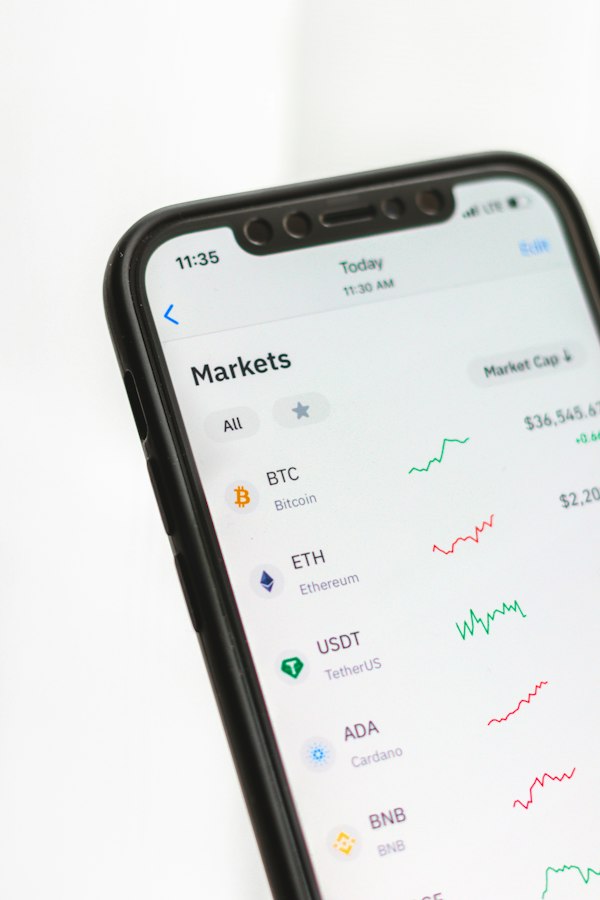
Brazil's recent decision to ban stablecoin and crypto settlements in cross-border payments has significant implications for global finance, especially for emerging markets like India. Investors should brace for potential volatility in the crypto space while considering the broader implications for international trade and investment strategies.
# Background/Context Brazil's central bank has made headlines recently by banning the use of stablecoins and cryptocurrencies for cross-border payments. This decision is part of a broader regulatory framework aimed at enhancing financial stability and consumer protection in an economy that is increasingly looking towards digital finance. For context, Brazil's crypto market has been growing rapidly, with estimates suggesting that approximately 10% of Brazilians have engaged with cryptocurrencies in some form. This move by the central bank is significant not only for Brazil but also presents a case study for other emerging markets, including India.
In India, the Reserve Bank of India (RBI) has also been grappling with how to regulate cryptocurrencies and their potential impact on the economy. While the RBI has not made a blanket ban like Brazil, it has issued multiple warnings about the risks associated with crypto investments, citing concerns over money laundering and investor protection. Comparatively, the Securities and Exchange Board of India (SEBI) has been working to establish a regulatory framework for mutual funds and other investment vehicles, indicating a cautious yet evolving stance towards digital assets.
# What Happened In a statement released earlier this month, Brazil's central bank clarified that transactions involving stablecoins, which are pegged to traditional currencies, would no longer be permitted for cross-border payments. This prohibition is aimed at mitigating risks associated with the volatility of cryptocurrencies and their potential use for illicit activities. The central bank's decision reflects a growing trend among regulators worldwide, as many countries seek to tighten controls on digital currencies amid fears of financial instability.
The Brazilian government's position is that fostering a reliable financial infrastructure is paramount for the country’s economic growth. By limiting the use of stablecoins, the bank aims to encourage the use of its national currency, the Brazilian real (BRL), in international transactions. This decision is likely to have immediate ramifications for Brazilian businesses that rely on crypto for cross-border transactions and could impact Brazilian exports and imports, particularly in sectors like agriculture and manufacturing.
# Market Reaction The announcement sent ripples through the crypto market globally. Bitcoin and Ethereum, the two largest cryptocurrencies, saw a slight dip in their prices, with Bitcoin dropping around 3% shortly after the news broke. Meanwhile, Brazilian fintech companies that deal in cryptocurrency faced immediate backlash, with shares of several firms plummeting as investors reacted to the news.
In India, the crypto market was also affected; however, the impact was more muted. As of mid-October, Bitcoin traded at approximately ₹5,000,000, and Ethereum at about ₹300,000. The Indian market has been relatively resilient, buoyed by the ongoing popularity of Systematic Investment Plans (SIPs) in mutual funds, which have continued to attract retail investors despite the volatility in the crypto space.
# Implications for Indian Investors For Indian investors, Brazil's ban on stablecoins presents a cautionary tale. Those who have been considering diversifying their portfolios with cryptocurrencies may need to reassess their strategies. The RBI’s cautious stance on digital currencies means that Indian investors should be prepared for potential regulatory changes in the future. The recent developments in Brazil might influence Indian regulatory bodies to take a firmer stance on crypto, particularly as they seek to balance innovation with the need for consumer protection.
Furthermore, the Brazilian ban could lead to a re-evaluation of stablecoins as a reliable payment method in cross-border transactions, potentially affecting Indian businesses engaged in international trade. As India is one of the largest global exporters, any shifts in payment mechanisms could influence trade margins and operational costs. Investors should keep an eye on how this decision could impact Indian firms, particularly in sectors reliant on international supply chains.
# What to Watch Next As the global regulatory landscape for cryptocurrencies evolves, investors should monitor several key developments: 1. **Regulatory Changes in India**: Keep an eye on RBI and SEBI statements regarding cryptocurrencies. Any shifts in policy could significantly impact investment strategies. 2. **Global Crypto Trends**: The reactions from other countries to Brazil's ban may signal a trend in global crypto regulations. Watch how other emerging markets respond, particularly in Asia. 3. **Market Volatility**: Given that crypto prices can fluctuate rapidly, staying informed about market trends and signals is crucial for making informed investment decisions. 4. **Impact on Cross-Border Trade**: Analyze how Brazilian firms adjust to the ban on stablecoins and what this means for Indian businesses engaged in cross-border transactions.
# What Should You Do? 1. **Reassess Your Crypto Exposure**: If you’ve invested in cryptocurrencies, consider evaluating your holdings and potential exposure to market volatility. 2. **Diversify Your Portfolio**: Look beyond cryptocurrencies for opportunities. Consider increasing investment in mutual funds, particularly those with a focus on equity and fixed income, which may provide more stability. 3. **Stay Informed**: Regularly follow updates from the RBI and SEBI regarding cryptocurrency regulations to gauge potential impacts on your investments. 4. **Engage with Financial Advisors**: Consult with financial experts who understand both the crypto landscape and the Indian market to tailor your investment strategy accordingly.
The evolving regulatory framework surrounding cryptocurrencies signals a need for investors to stay vigilant and adaptable. As emerging markets like India navigate these changes, informed decision-making will be key to capitalizing on new opportunities while mitigating risks. Investors who remain proactive in their strategies will be better positioned to weather the ongoing volatility in the crypto market and beyond.
Disclaimer: This article is for informational purposes only and does not constitute financial advice. Please consult a fee-only CFP or SEC-registered investment advisor before making investment decisions.


