Bitcoin's Surge to $77,000: What It Means for Indian Investors
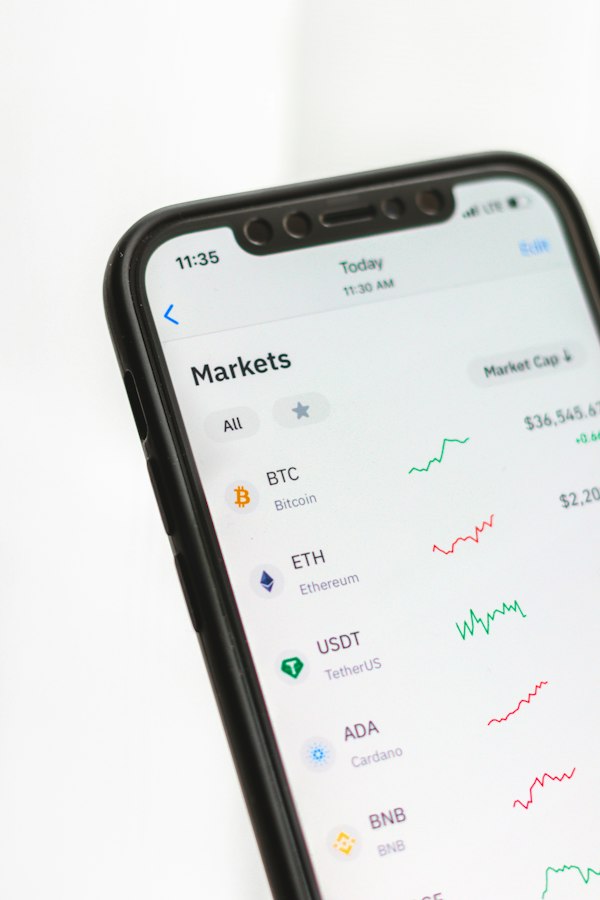
Bitcoin has reached an impressive $77,000, driven by anticipation around a Federal Reserve decision. As geopolitical tensions simmer, Indian investors need to consider how this volatile asset impacts their portfolios and the broader market landscape.
# Background/Context Bitcoin's meteoric rise to $77,000 is more than just a number; it's a signal of the evolving landscape of cryptocurrencies and their growing acceptance as alternative assets. The cryptocurrency market has seen significant volatility over the past few years, influenced by various factors from regulatory changes to macroeconomic conditions. In India, the Reserve Bank of India (RBI) has been cautiously optimistic about digital currencies, while the Securities and Exchange Board of India (SEBI) remains focused on investor protection and regulatory clarity.
The current surge in Bitcoin's price comes in the wake of a potential policy shift by the U.S. Federal Reserve, which has been monitoring inflation rates and economic recovery closely. Global markets are often intertwined, and decisions made in Washington, D.C. can have ripple effects in far-flung markets like India. As tensions flare in the Middle East, particularly with former President Trump’s comments about the Hormuz Strait, investors are seeking safe havens, and Bitcoin is increasingly viewed as a hedge against geopolitical instability.
# What Happened On [insert specific date], Bitcoin shot up to $77,000, a monumental jump that has caught the attention of investors globally. According to data from CoinDesk, this spike is part of a broader trend fueled by positive market sentiment and speculation around the Fed's upcoming monetary policy. Analysts suggest that the Fed’s decision to either raise interest rates or keep them steady could significantly influence the price of Bitcoin and other cryptocurrencies.
In the Indian context, the BSE Sensex and Nifty 50 indices have displayed a mixed reaction to these developments. The Nifty, which represents the top 50 companies listed on the NSE, has generally been buoyed by strong quarterly earnings from major sectors, but the rise in Bitcoin has certainly created a buzz among retail investors. With mutual funds increasingly adding crypto assets to their portfolios, the appetite for cryptocurrencies is growing among Indian retail investors who typically engage via Systematic Investment Plans (SIPs).
# Market Reaction The Indian stock markets have shown a nuanced response to Bitcoin's surge. While traditional equities usually thrive in stable environments, the recent spike in Bitcoin has led to some volatility in sectors that are more exposed to digital currencies. For instance, shares of companies involved in blockchain technology or cryptocurrencies have seen increased trading volumes.
Market analyst Nitin Rao from Motilal Oswal Financial Services remarks, "The rise in Bitcoin is drawing more attention to cryptocurrencies, but it also raises concerns about regulatory actions from the RBI. Investors shouldn't forget that while Bitcoin offers high returns, it comes with high risks."
Moreover, the rupee (₹) has been relatively stable against the dollar, but increased interest in Bitcoin could lead to fluctuations in the forex market. If the Reserve Bank of India decides to step up its regulatory framework around cryptocurrencies, it could have significant implications for the value of digital assets in India.
# Implications for Indian Investors For Indian investors, Bitcoin's rise presents both opportunities and challenges. On one hand, the potential for high returns is enticing, especially for those looking to diversify their portfolios beyond traditional asset classes like fixed deposits (FDs) and equities. On the other hand, the inherent volatility of cryptocurrencies demands a cautious approach.
Investors looking to dip their toes into Bitcoin should consider allocating a small percentage of their portfolio to this asset class. As per a recent report by the Asset Management Company (AMC), around 15% of millennials in India are currently investing in cryptocurrencies, a trend that is likely to grow as more platforms and mutual funds begin to offer crypto options.
However, potential investors should also be aware of the regulatory landscape. The RBI has not officially banned cryptocurrencies, but it has issued advisories warning against their use due to the lack of consumer protection. This creates a scenario where investors need to tread carefully and conduct thorough research before making any moves.
# What to Watch Next As the situation unfolds, several key indicators will guide the next steps for investors: 1. **Federal Reserve Decisions**: Pay close attention to announcements from the Fed regarding interest rates. Any shift could lead to volatility in both traditional markets and cryptocurrencies. 2. **Regulatory Developments**: Keep an eye on any new regulations from the RBI or SEBI that may impact the use and trading of cryptocurrencies in India. 3. **Market Sentiment**: Stay updated on global market trends, especially regarding Bitcoin and other major cryptocurrencies. Sentiment can shift rapidly, affecting investment strategies. 4. **Geopolitical Tensions**: Monitor developments in the Middle East and other regions that could influence global economic stability and investor confidence.
# What Should You Do? 1. **Diversify Your Portfolio**: Consider allocating a small portion of your investments to Bitcoin or other cryptocurrencies while maintaining a balanced approach to traditional assets. 2. **Stay Informed**: Follow news on regulatory changes in India and internationally that could impact the cryptocurrency market. 3. **Engage with Experts**: Consult with financial advisors or investment professionals who understand both the traditional and digital asset landscapes. 4. **Use Caution**: If you’re new to cryptocurrencies, start with small investments and gradually increase your exposure as you gain more knowledge.
In summary, Bitcoin's rise to $77,000 is a pivotal moment for both global and Indian investors. With the right strategies and insights, you can navigate this exciting and unpredictable market landscape effectively.
Disclaimer: This article is for informational purposes only and does not constitute financial advice. Please consult a fee-only CFP or SEC-registered investment advisor before making investment decisions.


