Gold and Silver Prices Dip as Inflation Fears Resurge Amid Rising Oil Prices
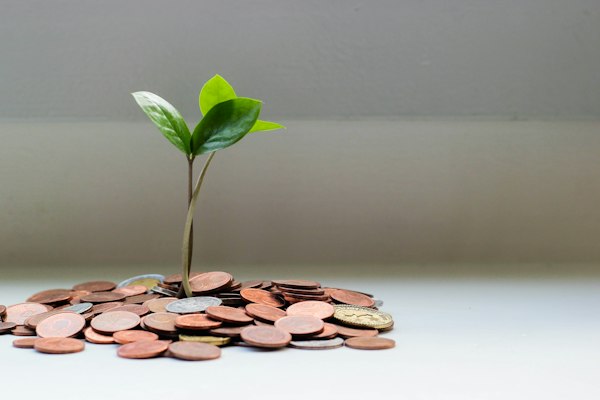
Gold prices have slid to ₹1.52 lakh, while silver has dropped by ₹1,400, driven by stalled U.S.-Iran talks and surging crude oil prices. This decline raises concerns about inflation and potential rate hikes, compelling Indian retail investors to reassess their strategies.
# Background/Context As Indian retail investors navigate the complexities of the financial markets, external factors often play a pivotal role in determining asset prices. Currently, the precious metals market is feeling the pressure from geopolitical tensions and rising commodity prices, particularly crude oil. With the Reserve Bank of India (RBI) keeping a close watch on inflation, it's essential to understand how these developments affect gold and silver prices, staples in any Indian investor's portfolio.
Gold and silver have long been considered safe-haven assets. However, their price dynamics can be heavily influenced by external economic indicators, including oil prices, currency fluctuations, and geopolitical events. The recent stalling of talks between the U.S. and Iran over nuclear agreements has raised uncertainty in global markets, leading investors to reassess their positions.
# What Happened On the Multi Commodity Exchange (MCX), gold opened lower at ₹1.52 lakh per 10 grams, while silver saw a significant decrease, dropping by ₹1,400 to hover around ₹78,000 per kilogram. This decline follows a global trend where rising crude oil prices have rekindled inflation fears, which could potentially prompt the RBI to consider rate hikes in the near future.
Brent crude oil prices surged over $90 per barrel recently, a level not seen in several months. This spike in oil prices not only raises the cost of living but also stirs inflationary pressures. According to the latest data from the Ministry of Commerce, India's inflation rate was recorded at 7.41% in July, significantly above the RBI's comfort zone of 2% to 6%. Investors are now anxiously watching whether the central bank will respond to these pressures by adjusting interest rates.
# Market Reaction The immediate reaction in the markets has been one of caution. Following the dip in gold and silver prices, analysts have indicated that volatility could be the norm for the coming weeks. The Nifty 50 index, reflecting the overall health of the stock market, experienced mild fluctuations, closing at 19,200 points.
Market experts suggest that the key support levels for gold are around ₹1.50 lakh, while resistance is noted at ₹1.55 lakh. For silver, support is seen at ₹76,500, with resistance at ₹80,000. The heightened volatility in these commodities is expected to continue as traders adjust their portfolios amid changing macroeconomic indicators.
# Implications for Indian Investors For Indian retail investors, the implications of these developments are significant. Traditionally, gold has been viewed as a hedge against inflation. However, the specter of rising interest rates poses a challenge to gold's allure. Higher interest rates typically increase the opportunity cost of holding non-yielding assets like gold and silver. This means that as fixed deposit (FD) rates rise or as bond yields become more attractive, investors may shift their focus away from precious metals.
Moreover, the increased cost of living driven by rising oil prices can also erode disposable income, affecting consumer spending patterns. As inflation bites, investors might find themselves with less capital to invest, thus affecting the overall demand for gold and silver in the domestic market. The potential rise in interest rates could also lead to increased volatility in mutual funds and equity markets, making it a challenging environment for investors who prefer stability.
# What to Watch Next As we move forward, several key factors will shape the outlook for gold and silver prices: - **Geopolitical Developments:** Any breakthrough or further stalemate in U.S.-Iran nuclear talks will be crucial. A resolution could ease market tensions and stabilize oil prices, while continued discord may exacerbate inflation fears. - **RBI’s Monetary Policy:** The RBI's upcoming policy meetings will be critical. Investors should watch for any hints regarding rate hikes or changes in stance on inflation, as these will directly impact gold and silver prices. - **Global Economic Data:** Keep an eye on global inflation data, particularly from the U.S. Any signs of persistent inflation could lead to more aggressive interest rate strategies from central banks around the world, influencing Indian markets.
# What Should You Do? 1. **Stay Informed:** Regularly check updates on global oil prices and geopolitical news, as they can have immediate effects on the prices of gold and silver. 2. **Diversify Your Portfolio:** Given the current volatility, consider balancing your investments across various asset classes, including equities, mutual funds, and fixed deposits, alongside your precious metal holdings. 3. **Review Your SIPs:** If you are investing in systematic investment plans (SIPs) in mutual funds, consider reviewing your asset allocations to mitigate risks associated with rising inflation. 4. **Consider Alternatives:** If you are heavily invested in gold, explore alternative assets like real estate or inflation-linked bonds that may offer better protection against rising prices.
Navigating the investment landscape requires agility and foresight. As inflation concerns loom large and market sentiments shift, a proactive approach will serve investors well in these uncertain times.
Disclaimer: This article is for informational purposes only and does not constitute financial advice. Please consult a SEBI-registered investment advisor before making investment decisions.
More News

Understanding Vedanta's Demerger: What Indian Investors Need to Know
5 min read · Mon, 27 Ap

US Markets on Edge: What Indian Investors Need to Know This Week
5 min read · Mon, 27 Ap

Sensex Surges Over 400 Points as Investor Sentiment Rebounds on Iranian Peace Proposal
5 min read · Mon, 27 Ap